
Automotive IndustryAdvanced Testing Equipment
for Coatings,Components & Quality Control
Comprehensive precision instruments for automotive OEMs, Tier 1 suppliers, coating manufacturers, and quality control laboratories — from appearance evaluation to corrosion and cure verification.
The automotive industry is one of the most technologically advanced and quality-driven manufacturing sectors in the world. Vehicle manufacturers continuously face increasing demands for superior appearance quality, color consistency, coating durability, corrosion protection, lightweight materials, sustainability, and production efficiency. Whether producing passenger vehicles, commercial vehicles, electric vehicles, or specialty transportation systems, manufacturers must ensure that every component meets strict OEM specifications while maintaining consistent quality across global production facilities.
Modern automotive manufacturing extends far beyond painted metal body panels. Today’s vehicles incorporate steel, aluminum, plastics, composites, decorative films, soft-touch coatings, metallic finishes, high-gloss trim components, wheels, lighting systems, and advanced interior materials. Each of these materials presents unique quality control challenges that require sophisticated testing technologies and reliable measurement systems.
Appearance quality remains one of the most important factors influencing customer perception. Vehicle buyers immediately notice differences in color, gloss, orange peel, metallic appearance, surface texture, and reflection quality. Even small appearance variations between adjacent components such as body panels, bumpers, mirrors, spoilers, wheel covers, and decorative trim can negatively affect perceived vehicle quality and customer satisfaction.
As automotive coatings become increasingly sophisticated, the importance of objective appearance measurement continues to grow. Modern metallic, pearlescent, and special-effect coatings contain complex pigment systems that create sparkle, graininess, flop, and color travel effects. While these finishes significantly enhance vehicle aesthetics, they also create new challenges for color communication, supplier qualification, process control, and global quality consistency.
To address these challenges, automotive manufacturers rely on advanced laboratory testing equipment capable of evaluating appearance, color, gloss, coating thickness, texture, curing performance, environmental durability, and mechanical resistance. These technologies provide objective and repeatable data that eliminate subjective visual evaluations and support consistent quality standards throughout the supply chain.
At InnovLs, we provide comprehensive automotive testing solutions from globally recognized manufacturers:
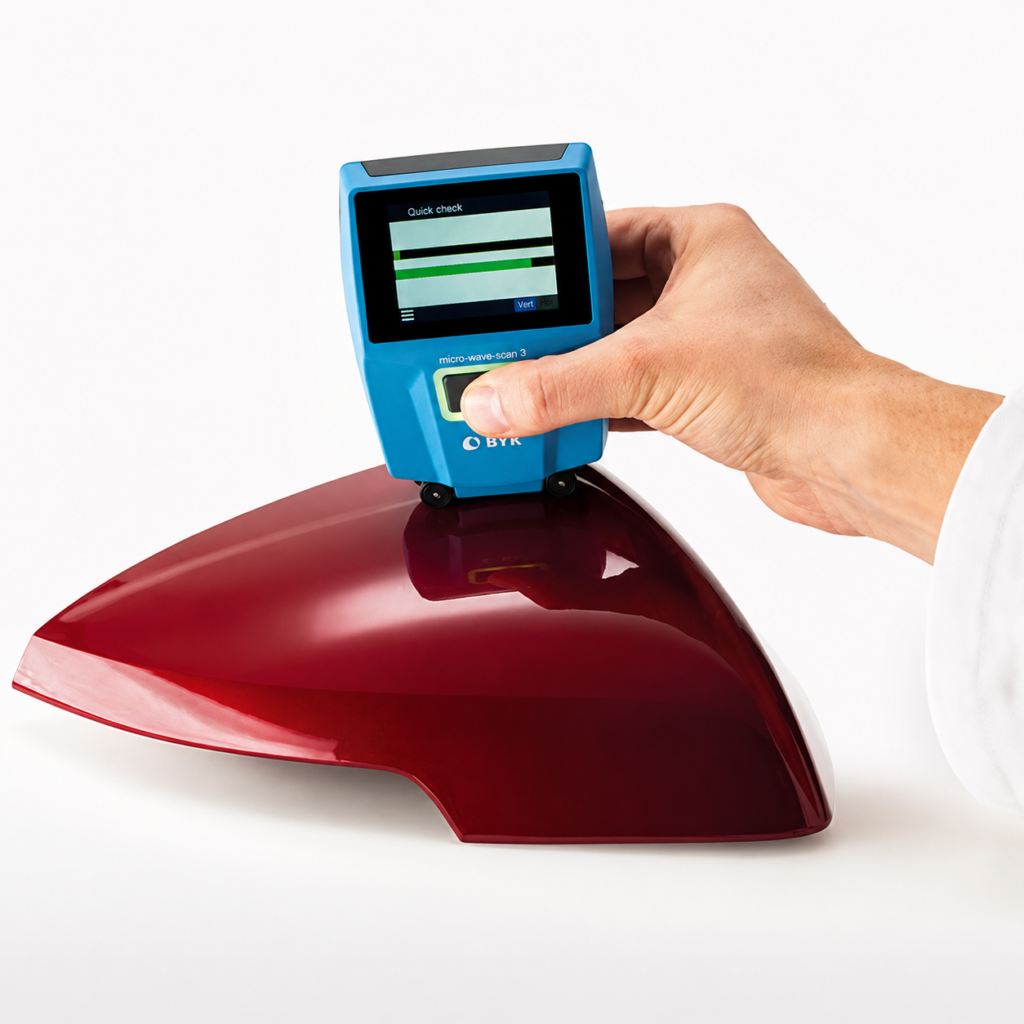
Appearance Measurement Equipment
Orange peel, DOI, gloss, haze, sparkle, graininess and mottling evaluation
Appearance quality is one of the most important performance criteria in automotive manufacturing. Modern vehicle finishes must exhibit exceptional visual consistency across all painted and coated components, including body panels, bumpers, mirrors, spoilers, wheels, and decorative trim parts.
Advanced appearance measurement technologies objectively evaluate parameters such as Orange Peel, DOI, waviness, gloss, haze, sparkle, graininess, metallic appearance, pigment orientation, cloudiness, and mottling — enabling manufacturers to establish measurable standards and minimize subjective, operator-dependent assessments.
Mottling, cloudiness, streaking, sparkle, and graininess are particularly important for metallic and pearlescent finishes. Advanced multi-angle measurement technologies allow manufacturers to quantify these effects and optimize coating processes to achieve superior appearance harmony between adjacent vehicle components.
Relevant Standards
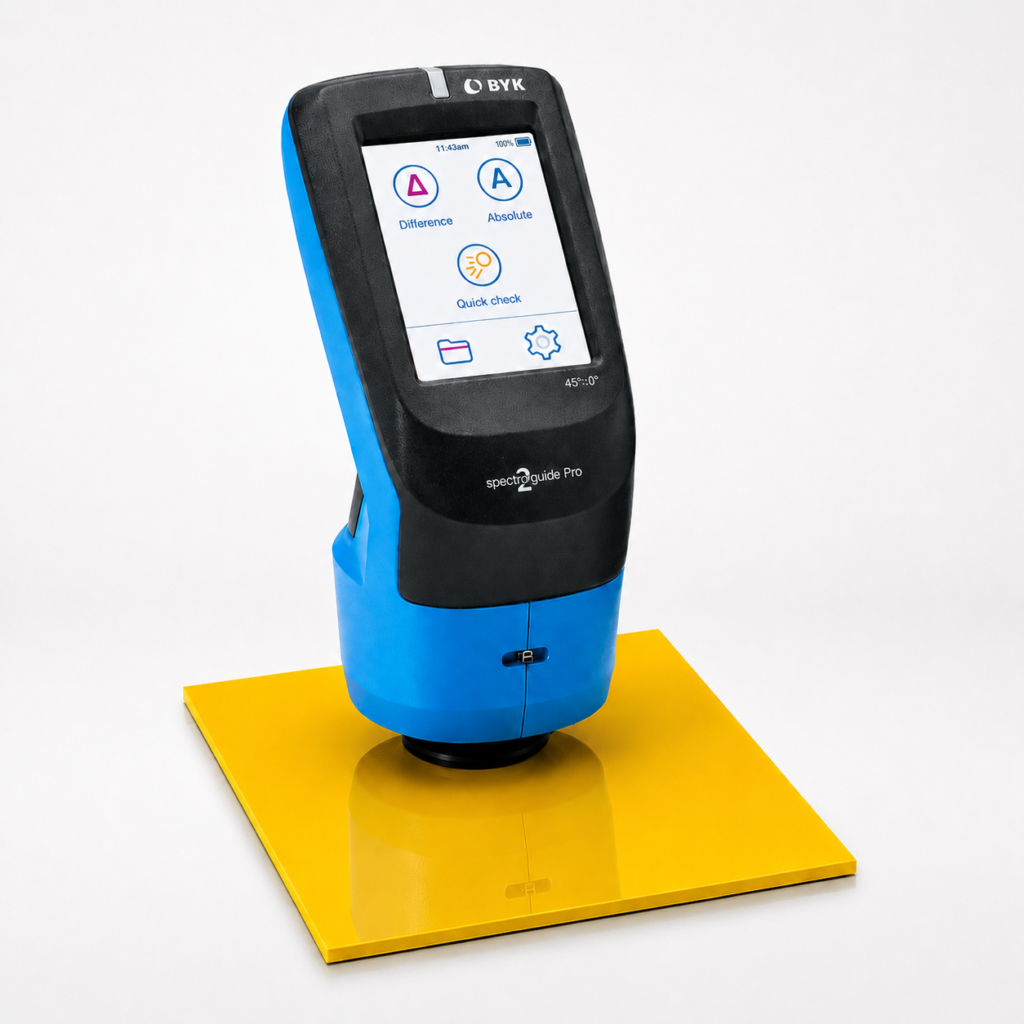
Color Measurement and Effect Finish Evaluation
Multi-angle spectrophotometry · metallic · pearlescent · special-effect finishes
Color consistency is one of the most demanding requirements in automotive manufacturing. A single vehicle often contains components produced by different suppliers using different materials and manufacturing processes. Despite these differences, all components must exhibit identical color appearance when assembled.
The challenge becomes even greater with metallic, pearlescent, and effect coatings. These coatings contain special pigments that create sparkle, graininess, metallic flop, and color travel effects that change depending on viewing angle and lighting conditions.
Multi-angle spectrophotometers provide objective measurement of these complex optical properties. Among all automotive color measurement technologies, the BYK-mac i has become one of the most widely recognized industry standards due to its ability to simultaneously measure color, sparkle, graininess, and effect pigment behavior under multiple viewing angles.
Relevant Standards
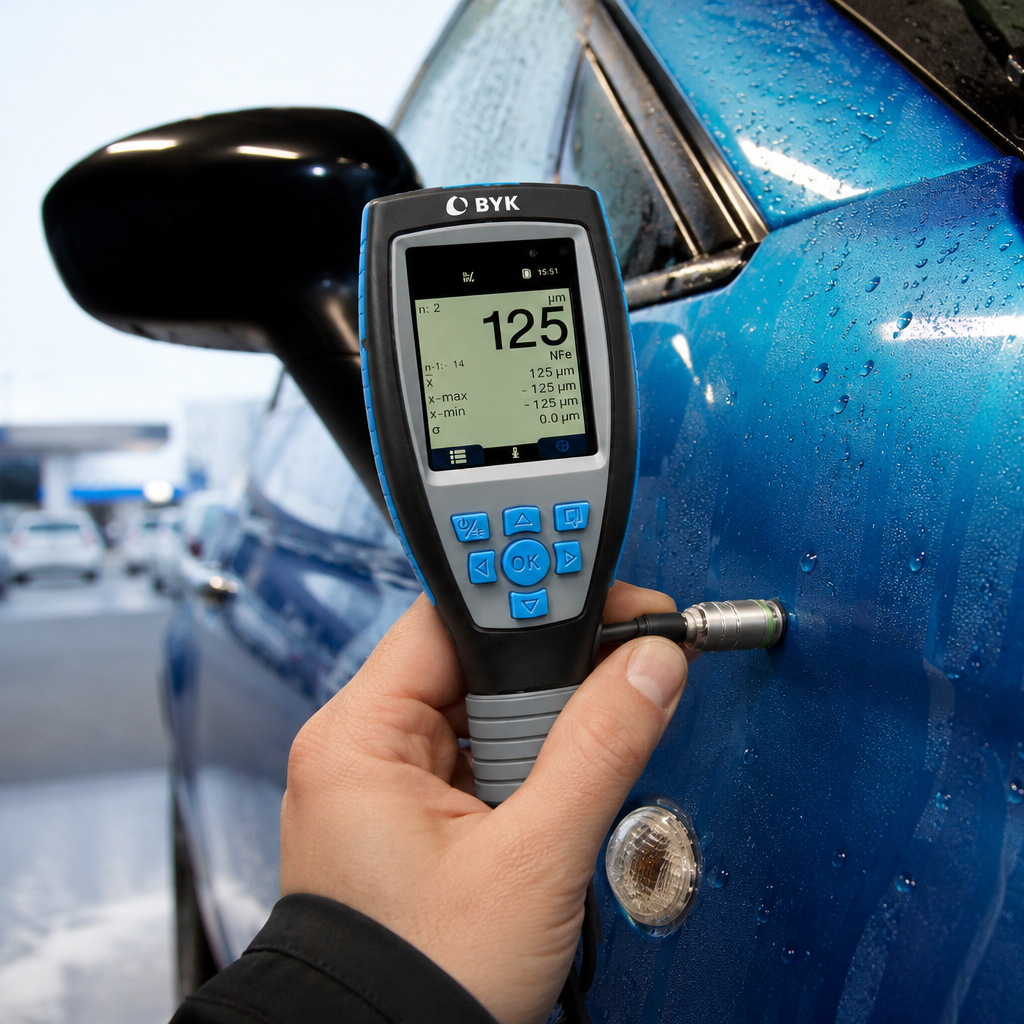
Coating Thickness Measurement Equipment
Non-destructive film thickness verification on steel and aluminum substrates
Coating thickness directly influences corrosion protection, appearance quality, material consumption, process efficiency, and long-term durability. Maintaining consistent film build throughout the painting process is essential for meeting OEM specifications and ensuring repeatable coating performance.
Automotive paint systems typically consist of several coating layers including E-coat, primer, basecoat, and clearcoat. Precise thickness control allows manufacturers to verify application quality, optimize paint consumption, and identify process deviations before defects become visible.
Non-destructive measurement technologies provide fast and accurate thickness verification on both steel and aluminum substrates without damaging finished components. Advanced multi-layer measurement systems can also determine the thickness of individual coating layers, providing valuable information for process optimization, root-cause analysis, and quality audits.
Relevant Standards
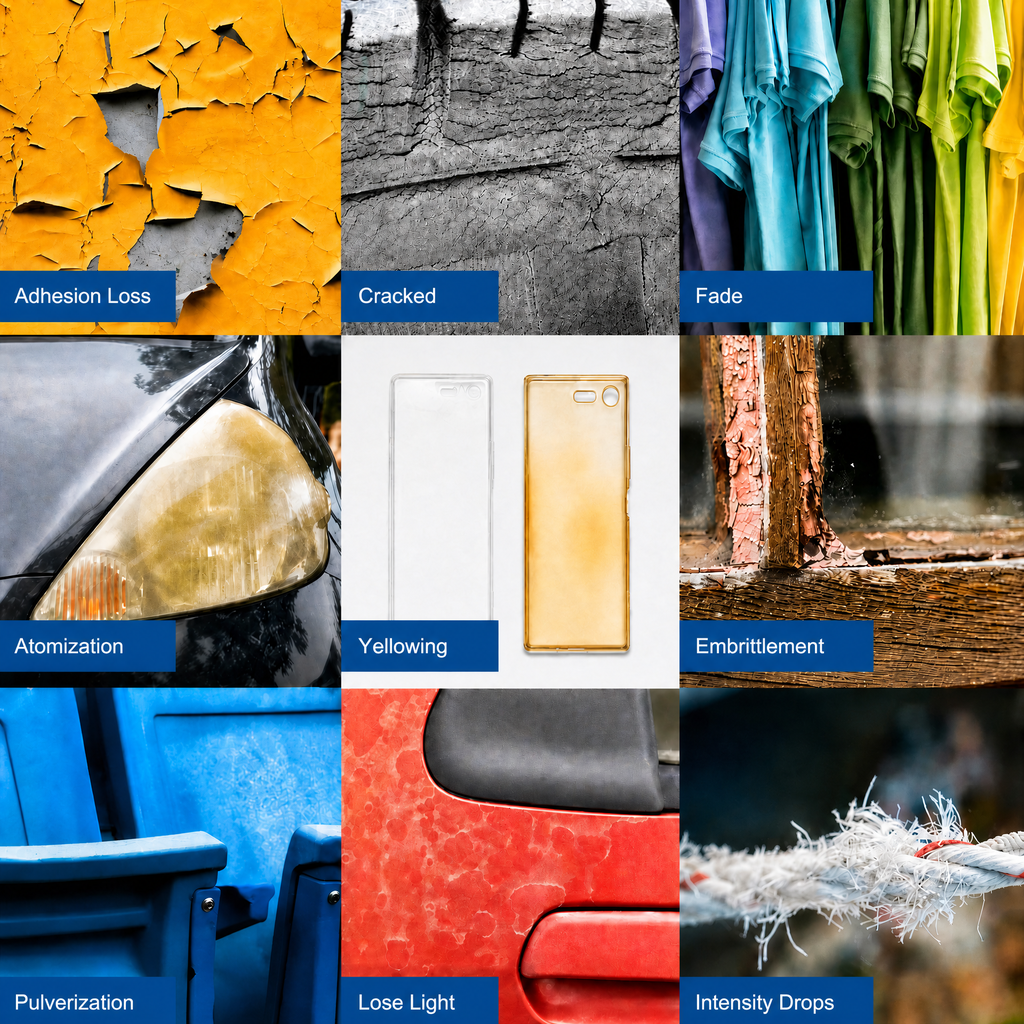
Corrosion and Weathering Testing Equipment
Salt spray · UV · humidity · xenon arc accelerated durability testing
Automotive coatings are continuously exposed to moisture, road salt, UV radiation, temperature fluctuations, and aggressive environmental conditions. Long-term durability is therefore a critical performance requirement.
Advanced corrosion and weathering chambers reproduce real-world automotive environments through controlled cycles of salt spray, humidity, drying, temperature variation, and UV exposure. These accelerated test methods provide a realistic assessment of coating durability and allow manufacturers to evaluate resistance to blistering, rust creep, discoloration, gloss loss, cracking, and other degradation mechanisms that may occur during long-term service. Cyclic corrosion testing is particularly valuable because it more closely simulates actual outdoor conditions than conventional continuous salt spray testing.
Corrosion Standards
Weathering Standards
Physical Properties Testing Equipment
Hardness · adhesion · flexibility · scratch and abrasion resistance
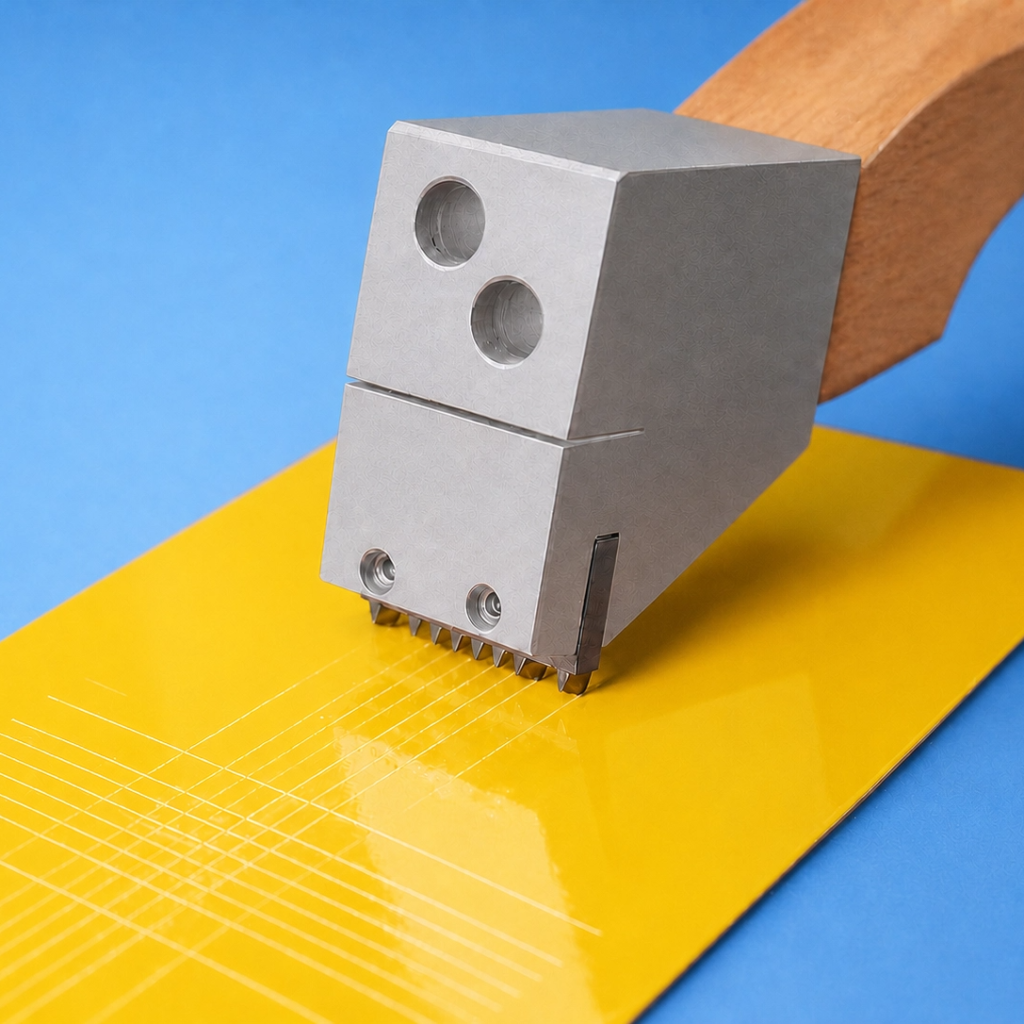
Reliable physical testing helps automotive manufacturers evaluate how coatings and coated components respond to mechanical stresses encountered during production, transportation, and daily use. Controlled laboratory tests provide objective data on properties such as scratch resistance, abrasion resistance, impact resistance, hardness, flexibility, and adhesion, supporting both product development and quality assurance.
By identifying potential performance issues before products reach the market, physical testing contributes to improved durability, reduced failure rates, and greater confidence in long-term coating performance. Standardized test methods also enable consistent comparison of materials, processes, and coating systems across different production environments.
Relevant Standards
Temperature Profiling and Cure Verification
Hardness · adhesion · flexibility · scratch and abrasion resistance
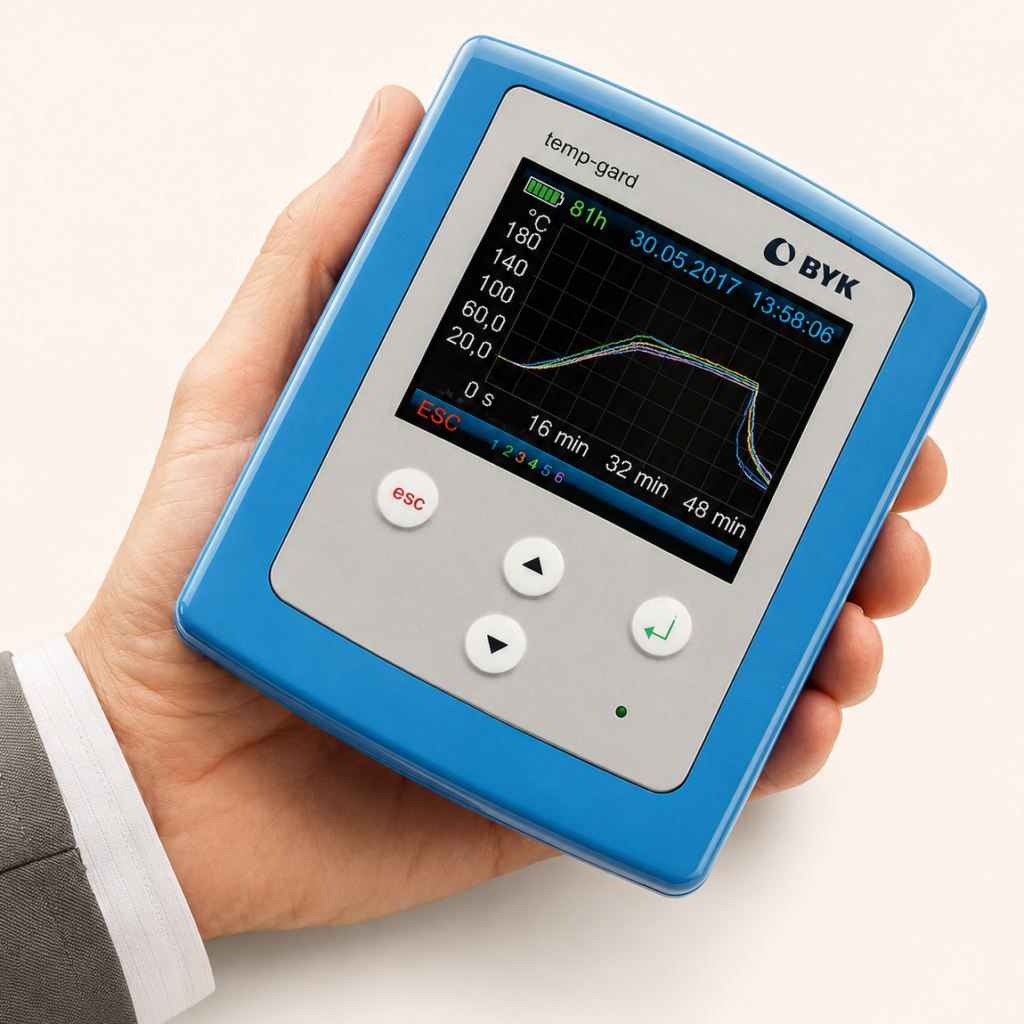
Advanced temperature profiling provides a detailed understanding of the thermal history experienced by both the coated part and the surrounding oven atmosphere. By monitoring multiple measurement points simultaneously, manufacturers can identify temperature variations, cold spots, excessive heating zones, and inconsistencies between different product locations. This information helps ensure that every component reaches the required curing temperature for the specified duration, resulting in consistent coating quality across the entire production batch.
Modern profiling systems such as the BYK-Gardner Temp-Gard Pro combine high-accuracy temperature sensors, robust thermal protection, and advanced analysis software to document and evaluate curing processes. Recorded temperature profiles can be stored for quality assurance, process validation, and customer compliance requirements. By optimizing oven settings and reducing unnecessary energy consumption, manufacturers can improve productivity, minimize rework, and achieve more reliable coating performance while maintaining cost-efficient production.
Relevant Standards
Digital Quality Management Solutions
Centralized data analysis · SPC · standardized appearance evaluation across global supply chains
Digital quality management platforms transform measurement data into actionable process intelligence, enabling manufacturers to monitor product quality in real time across production lines, laboratories, and multiple manufacturing sites. Centralized data collection and automated reporting improve transparency, reduce manual data handling, and provide immediate access to critical quality information throughout the organization.
Integrated trend analysis, statistical process control (SPC), and process monitoring tools help identify variations before they become production issues. By connecting quality data from suppliers, production facilities, and quality control laboratories, manufacturers can improve consistency, support continuous improvement initiatives, and ensure compliance with demanding automotive quality standards across the entire supply chain.
Advanced software solutions also facilitate standardized appearance evaluation by consolidating color, gloss, haze, DOI, and other appearance measurements into a single digital environment. Shared specifications, automated pass/fail criteria, and centralized databases help ensure that quality requirements are applied consistently regardless of production location or inspection point.
In addition, digital quality systems support traceability and data-driven decision making by maintaining comprehensive records of measurement results, production batches, and process parameters. This enables faster root-cause analysis, simplifies audits, and provides valuable insights for process optimization, helping manufacturers reduce waste, improve efficiency, and maintain consistent product quality on a global scale.
Need a complete laboratory solution?
InnovLS provides integrated paint testing equipment packages covering every stage of the production cycle — from R&D through final inspection.